
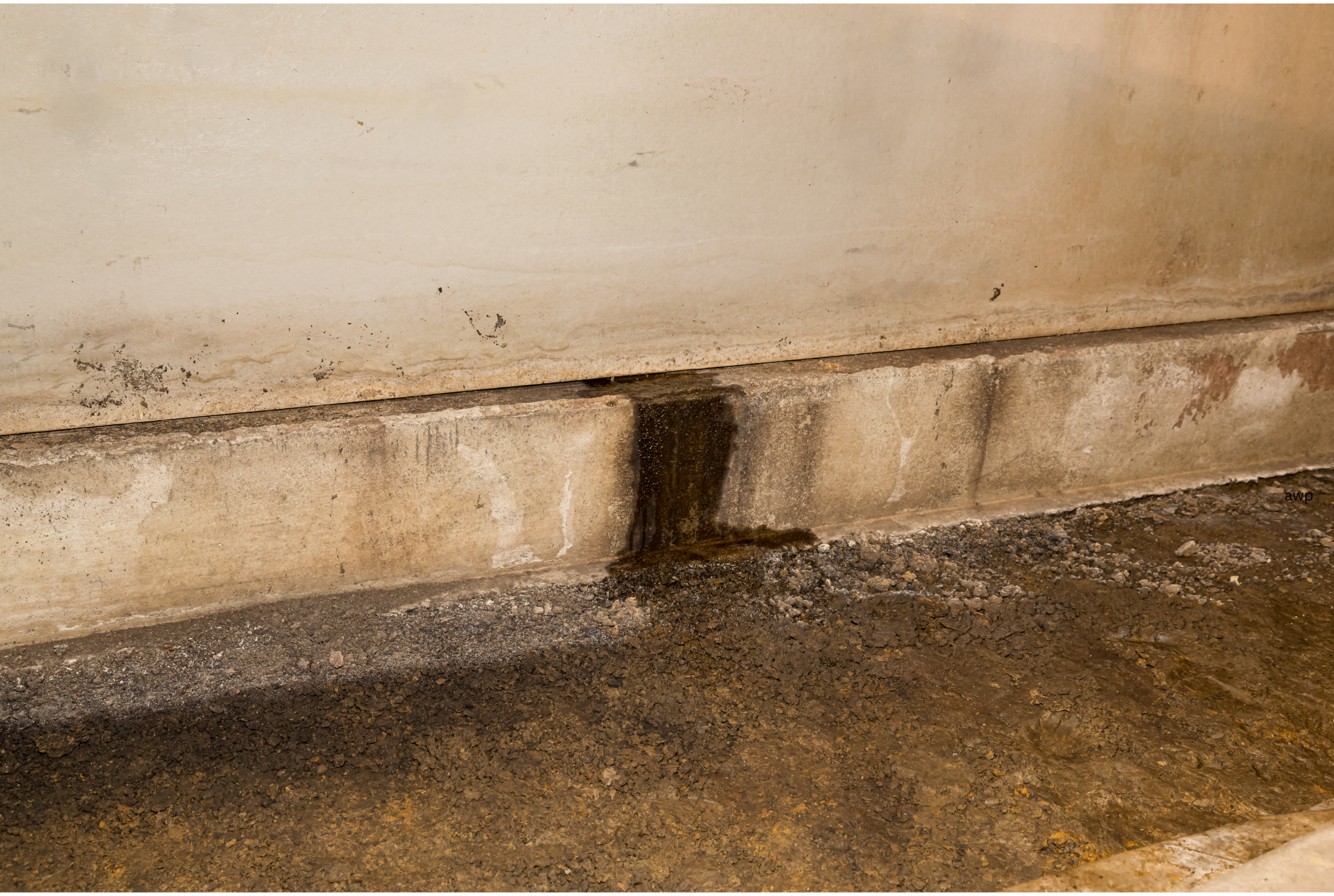
Spring in Philadelphia is a welcome change after months of cold — but for many homeowners, it also signals the start of basement flooding season. Every year, residents across the region discover standing water, saturated walls, or soaked carpeting just as temperatures begin to climb. Understanding why this happens is the first step toward preventing it.
The Science Behind Spring Basement Flooding
Philadelphia receives an average of 41 inches of rainfall annually, and a significant portion of that arrives in late winter and early spring. When frozen ground begins to thaw, it temporarily loses its ability to absorb water efficiently. The result is a surge of runoff that has nowhere to go — except toward the lowest point of your property: your foundation.
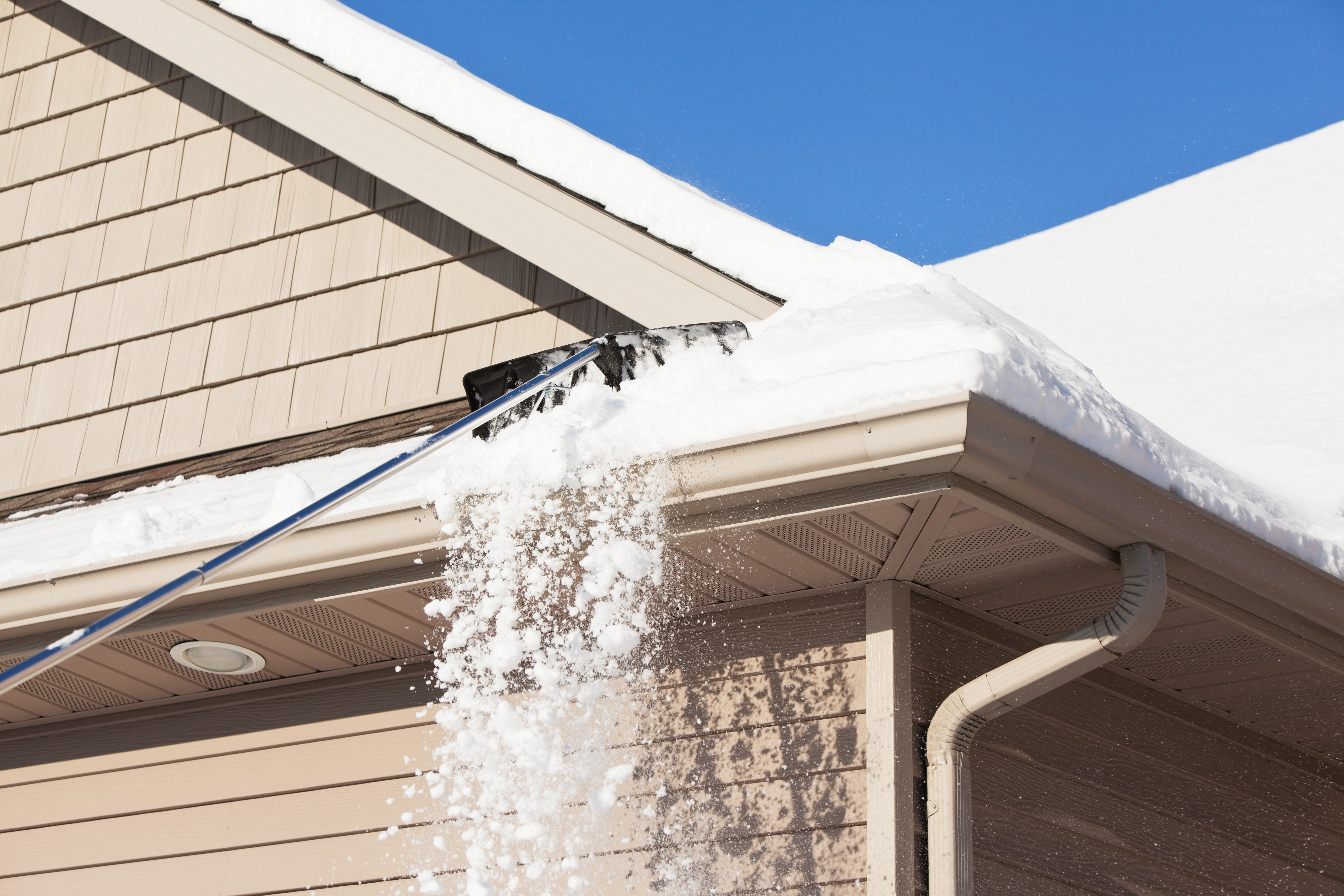
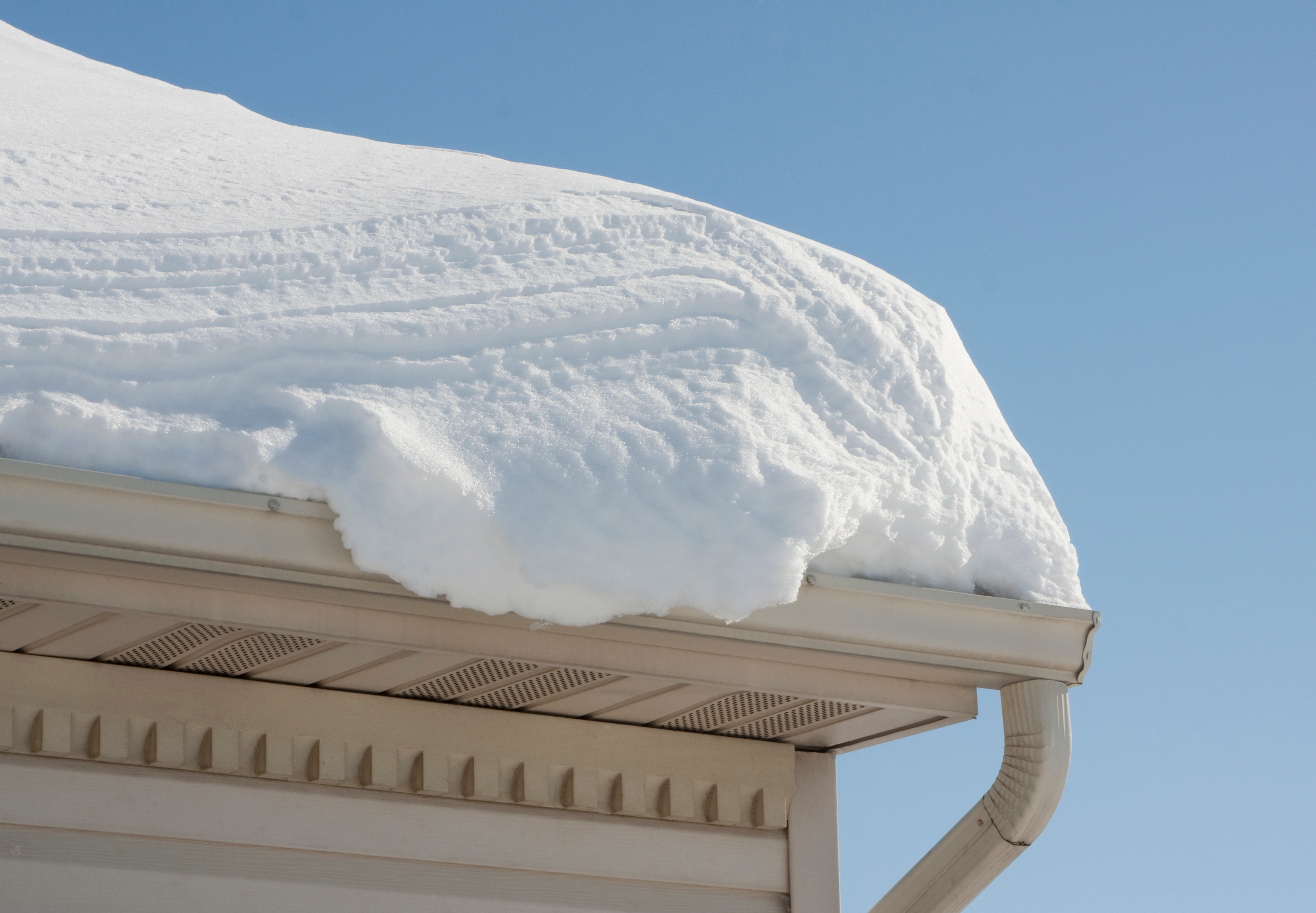
Snowmelt compounds the problem. A single inch of snow holds roughly 0.1 inches of water equivalent, meaning a typical Philadelphia winter can deposit several inches of water into the soil all at once as temperatures rise. Add in seasonal rainfall, and the hydrostatic pressure against your foundation walls can become immense.
Common Entry Points for Water
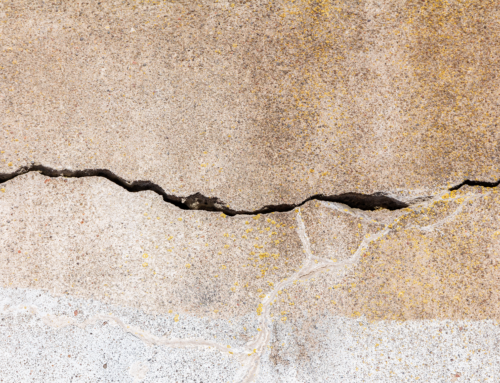
Water rarely enters a basement randomly. It follows predictable paths: cracks in poured concrete or block foundation walls, gaps around pipe penetrations, the cove joint (where the floor meets the wall), and window wells that have not been properly sealed or drained.
In older Philadelphia homes — particularly those built before 1960 — foundations often lack any waterproofing membrane at all. Mortar joints in block foundations degrade over time, and the porous nature of older concrete makes it susceptible to seepage even without visible cracks.
Window wells are frequently overlooked. When soil and debris accumulate in a window well, water pools against the window frame during heavy rain. Without a proper drain or cover, this becomes a direct pathway into the basement.
Grading, Gutters, and Drainage
Many spring flooding events are not caused by structural failures — they are caused by inadequate drainage around the home. If the soil surrounding your foundation slopes toward the house rather than away from it, every rain event channels water directly to your walls. The general rule is a 6-inch drop in grade over the first 10 feet from the foundation.
Gutters and downspouts play an equally critical role. A clogged gutter overflows at the roofline and deposits large quantities of water directly against the foundation. Downspouts that terminate too close to the house — or that drain into saturated soil — have the same effect. Extensions that carry water at least 6 feet from the foundation are a simple, cost-effective measure.
What Homeowners Should Do Now
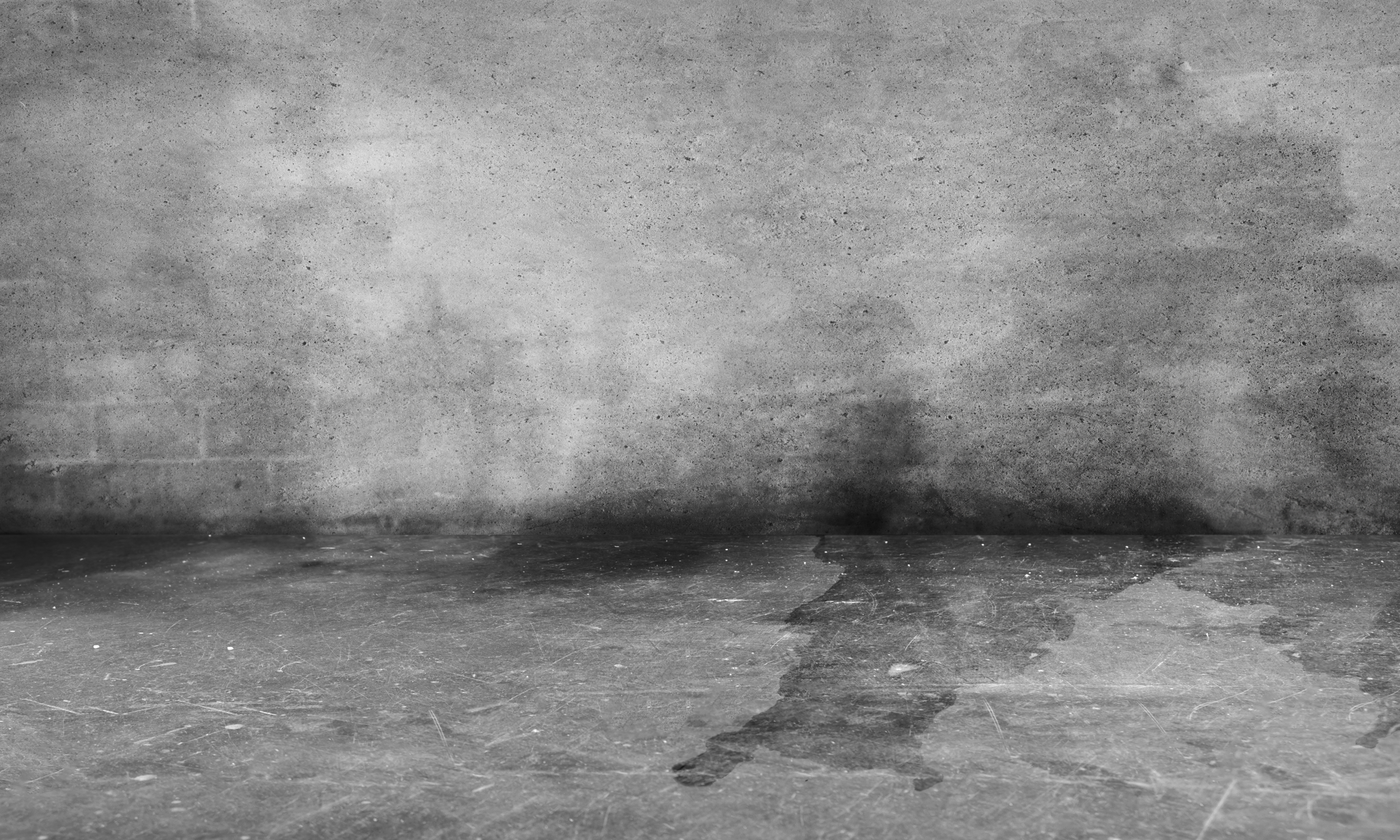
A thorough inspection of your basement walls and floor in early spring is advisable. Look for efflorescence (white mineral deposits), staining, mold growth, and any new cracks that may have developed over winter. These are early indicators that water is infiltrating your foundation, even if standing water is not yet visible.
If water has already entered your basement, it is important to address both the symptom and the source. Drying out a flooded basement without correcting the underlying drainage or waterproofing issue will only result in the same problem next season. A professional evaluation can identify whether interior drainage systems, exterior waterproofing, or targeted crack repair is the most appropriate solution for your specific conditions.
Spring flooding is preventable with the right strategy. Homeowners who invest in waterproofing before problems escalate consistently avoid the far greater costs associated with foundation damage, mold remediation, and finished-space replacement.
The Bottom Line for Philadelphia Homeowners
Spring flooding is not a random event — it follows predictable seasonal patterns driven by snowmelt, soil saturation, and rainfall. Philadelphia homeowners who understand those patterns are in a better position to take targeted action before water enters the basement.
Addressing drainage deficiencies before they create a waterproofing crisis is almost always more economical than reacting after damage has occurred. Gutters, grading, downspouts, and perimeter drainage are the first line of defense. When those measures are insufficient, a professionally installed interior drainage system and sump pump provide reliable long-term protection. A no-cost professional evaluation is the fastest way to understand what your specific property needs.

Leave A Comment